
An event recovery area is fast becoming the feature people remember most at sports days, charity challenges and corporate events. Participants want more than a medal and a sandwich. They want to feel looked after, and a proper place to recover is one of the easiest ways to do that.
We recently ran the Recovery Hub at the Beard Cyclathon, a 6-hour static cycling fundraiser in Oxford with more than 350 riders. Here are five simple steps to plan the best event recovery area, based on what we learned.

What is an event recovery area?
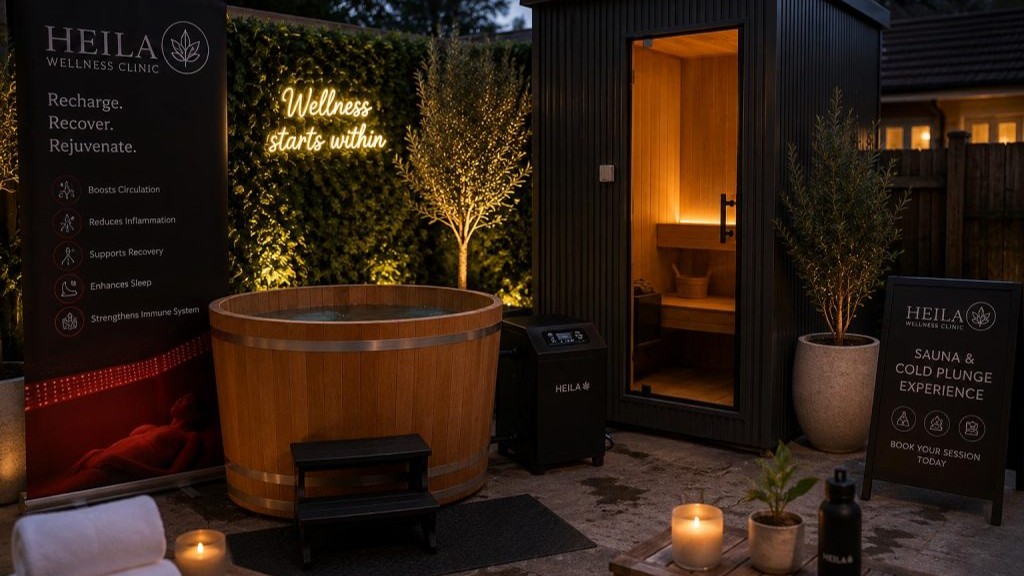
An event recovery area is a dedicated space where participants can recover between or after physical efforts. At the Beard Cyclathon, ours included:
- Six sets of compression boots on floor mats and treatment tables
- Two ice baths for cold water immersion
- A branded gazebo, seating and towels
- Two members of our team running sessions all day
A recovery area works for any event where people push themselves: cyclathons, rowing challenges, fun runs, sports days and team-building days.
Why your event needs a recovery area
Regular physical activity is great for health, as the NHS exercise guidance explains, but events often ask people to do far more than usual in one go. An event recovery area:
- Helps participants feel fresher between efforts
- Improves the overall experience and atmosphere
- Gives sponsors and organisers a standout feature
- Creates brilliant photos and social content
Step 1: Match the kit to your event recovery area
Think about how people will move through the day. At a cyclathon, riders switch on and off the bikes constantly, so quick, no-change recovery like compression boots gets the most use. Ice baths suit people who have finished a big effort and want a full reset.
Offering both side by side means people can choose, or do both, which is exactly what many riders did. Our guide on recovery after cycling covers how riders used each one.
Step 2: Plan the space and flow
Put your recovery area somewhere visible but out of the main traffic. Ours sat at the edge of the hall with a clear line of sight to the bikes, so riders could see when stations were free and walk straight over.
Allow room for:
- Mats or loungers for compression boots
- Space around the ice baths for getting in and out safely
- A towel rail and somewhere to leave kit
- Power sockets for the compression units
Step 3: Staff your event recovery area properly
Unmanned kit sits unused. People want someone to explain what to expect, fit the boots and keep an eye on the ice baths. Having two of our team on hand meant first-timers felt comfortable, stations were reset quickly and the queue kept moving for the full six hours.
Step 4: Make the event recovery area part of the event
The Recovery Hub was announced on the big screen, signposted around the venue and quickly became one of the busiest spots in the hall. When people know your event recovery area is there, they plan their breaks around it.
For organisers and sponsors, it’s also a great photo opportunity. A row of riders in compression boots or someone grinning in an ice bath makes far better social content than another shot of the registration desk.
Step 5: Budget early
Cost depends on the length of your event, the amount of kit and how many staff you need. Our guide to corporate wellness day cost breaks down the factors in more detail.
Event recovery area checklist
- Kit chosen to suit the activity
- Enough stations for your headcount
- Visible, accessible location with power
- Trained staff for the whole event
- Towels, warm layers and water
- Signage and an announcement on the day
- A plan for photos and social media
Example event recovery area layouts by size
Small events (up to 100 people)
Three or four sets of compression boots and one ice bath under a single gazebo, run by one or two staff. Perfect for club events and corporate sports days.
Medium events (100 to 400 people)
Six sets of compression boots and two ice baths, as we used at the Beard Cyclathon. Two staff keep everything moving, with branded signage and a clear queue point.
Large events (400+ people)
Multiple recovery zones around the venue, extra compression stations, more ice baths and a larger team. Adding a sauna or relaxation area works well for long, multi-day events.
Common mistakes with an event recovery area
- Hiding it away, so participants don’t know it exists
- Too little kit, leading to long queues and frustrated participants
- No staff, so first-timers don’t feel confident to give it a go
- Forgetting towels and warm layers for the ice baths
- Not capturing photos, missing out on great content for sponsors and social media
Event recovery area: FAQs
How much space does an event recovery area need?
A gazebo-sized footprint is enough for a compact setup like ours at the Beard Cyclathon. Larger events can scale up with more stations.
Can you run an event recovery area outdoors?
Yes. A gazebo keeps everyone covered, and we just need access to power.
How many people can use it?
Our six compression boots and two ice baths served more than 350 riders across a six-hour event.
See an event recovery area in action
Read the full Beard Cyclathon Recovery Hub case study for photos and the setup we used on the day.
We bring event recovery areas to corporate and charity events across Oxfordshire, Buckinghamshire, Hertfordshire and Berkshire. Explore our bespoke hire packages or get in touch to plan yours.