
Compression boots for flights have become a popular part of many frequent travellers’ routines. If you’ve ever stepped off a long-haul flight with swollen ankles, heavy legs and stiff calves, you’ll understand why.
In this guide we look at six essential tips on using compression boots for flights: what they can and can’t do, how to use them before and after travel, and when you should speak to your GP first.
Why your legs feel heavy after a long flight
Sitting still for hours in a cramped seat is hard on your legs. Your calf muscles normally act as a pump, helping blood return to your heart every time you walk. On a plane that pump barely works, so fluid can pool in your lower legs. The result is the swollen, heavy, achy feeling many people get after a long journey.
Long periods of sitting also increase the risk of deep vein thrombosis (DVT), a blood clot in a deep vein, usually in the leg. The NHS advice on DVT recommends that on journeys of four hours or more you wear loose clothing, drink plenty of water, avoid alcohol and walk around when possible.
Tip 1: Understand what compression boots for flights actually are
There are two very different things people mean by compression for travel:
- Compression socks or stockings are worn during the flight. They apply steady, graduated pressure to the lower leg.
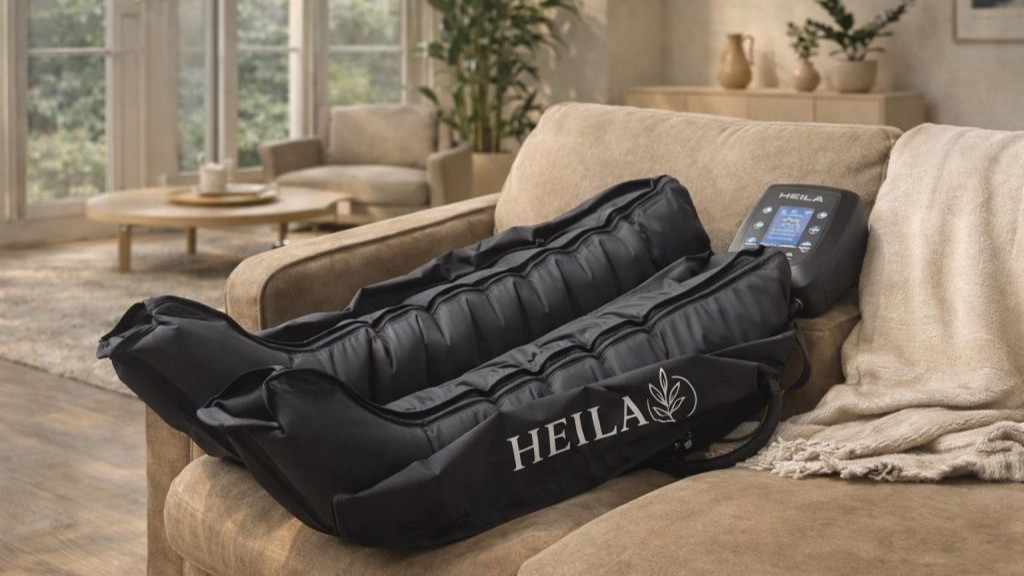
- Compression boots are air-powered sleeves that cover the whole leg and inflate in sequence from the feet upwards. You use them before or after travel, not in your seat.
When we talk about compression boots for flights, we mean the second type, used as part of your routine either side of the journey.
Tip 2: Use compression boots before you fly
A session the day before or the morning of a long flight can help your legs feel light and comfortable before you spend hours sitting. Many athletes and frequent flyers like to start a journey feeling as fresh as possible, especially if they’re travelling to compete or work.
Tip 3: Use compression boots after you land
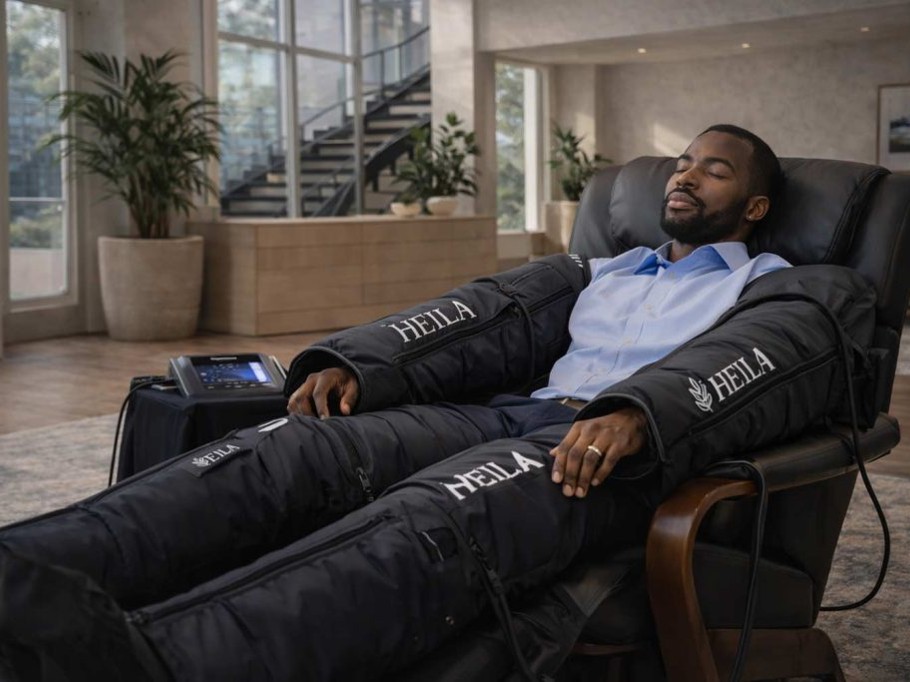
This is where most people notice the biggest difference. A 20 to 30 minute session after a long-haul flight is a relaxing way to help heavy, tired legs feel lighter. The sequential squeeze and release feels like a firm leg massage and supports circulation while you rest.
Who uses compression boots after flights?
- Athletes travelling to competitions
- Business travellers on regular long-haul trips
- Holidaymakers who always get swollen ankles
- Pilots and cabin crew who spend long hours on their feet and in the air
Tip 4: Combine compression boots for flights with simple travel habits
Compression boots for flights work best alongside good habits on the plane itself:
- Get up and walk the aisle every hour or so when it’s safe to do so
- Do simple ankle circles and calf raises in your seat
- Drink water regularly and go easy on alcohol
- Wear loose, comfortable clothing
- Consider flight socks during the journey, especially on long-haul flights
Tip 5: Know when to speak to your GP first
Compression boots are a wellness and recovery tool, not a medical treatment for blood clots. Speak to your GP before using compression boots for flights, or any compression therapy, if you:
- Have had a DVT or blood clot before
- Have a heart condition or circulation problems
- Are pregnant or have recently given birth
- Have recently had surgery
- Have any skin conditions, wounds or infections on your legs
If you notice pain, swelling, warmth or redness in one leg after a flight, seek medical advice straight away rather than using compression.
Tip 6: Get the most from your compression boots session
A few simple tips for a better session:
- Lie down with your legs flat or slightly raised
- Start on a lower pressure and build up if it feels comfortable
- Aim for 20 to 30 minutes
- Drink water afterwards and take a short walk
Our team sets up every session and talks you through the pressure settings, so it’s easy even if you’ve never used compression boots before. Riders at the Beard Cyclathon used them between stints to keep their legs fresh, as we explain in our guide to recovery after cycling.
A simple travel recovery plan
Putting it all together, here’s an easy plan to use compression boots for flights as part of a complete travel routine:
Before you fly
- Book a compression session the day before or the morning of your flight
- Drink plenty of water and get a good night’s sleep
- Pack loose, comfortable clothes for the journey
During the flight
- Walk the aisle when it’s safe, roughly every hour
- Do ankle circles and calf raises in your seat
- Keep drinking water and limit alcohol and caffeine
After you land
- Take a short walk to get your legs moving
- Book a 20 to 30 minute compression boots session the same day or the next morning
- Rehydrate and aim for an early night to help with jet lag
This approach suits holidays, business trips and athletes travelling to compete. It’s also a great routine to use after long car or train journeys, which can leave your legs feeling just as heavy.
Compression boots for flights FAQs
Can I take compression boots on a plane?
Compression boots aren’t designed to be used in your seat. They’re best used before you travel or once you arrive.
Are compression boots the same as flight socks?
No. Flight socks provide steady pressure during the flight. Compression boots inflate and deflate in sequence, and you use them while lying down before or after travel.
How soon after landing should I use compression boots?
Any time after you arrive is fine. Many people book a session the same day or the next morning.
Book a compression boots session
We offer compression therapy sessions and equipment hire across Oxfordshire, Buckinghamshire, Hertfordshire and Berkshire. Whether you’re recovering from a long-haul trip or a hard training block, get in touch to book compression boots for flights or any time you need them.