
Recovery after cycling is the part of riding most people skip, and it’s the part that decides how your legs feel next time you get on the bike. On 1 October we got a close-up view of exactly what works, running the Recovery Hub at the Beard Cyclathon, a 6-hour static cycling fundraiser at Iffley Road Sports Centre in Oxford.
More than 350 riders across 37 teams covered 4,484 miles between them, and a lot of them found their way to our gazebo between stints. With six sets of compression boots and two ice baths running all day, here are five proven tips for better recovery after cycling.

Why recovery after cycling matters
Cycling doesn’t have the impact of running, but it’s relentless on the legs. Your quads, hamstrings, glutes and calves work continuously, often for hours. At a cyclathon, riders were jumping on and off the bikes all day with only short breaks between efforts.
When you stop pedalling, sit down and do nothing, your legs stiffen and feel heavy before the next effort. Good recovery after cycling helps you:
- Feel fresher for your next stint or your next ride
- Reduce that heavy, tight feeling in your legs
- Train more consistently through the week
- Enjoy riding more, because you’re not dreading the next session
The NHS exercise guidance is clear that regular activity is one of the best things you can do for your health. Recovering well is what makes regular riding sustainable.
Tip 1: Start your recovery after cycling within 30 minutes
The first half hour after a hard effort is when recovery is easiest to get right. At the cyclathon, the riders who came straight to the hub after their stint, rather than sitting on the floor scrolling their phones, consistently said they felt better going back out.
Keep it simple: get off the bike, have a drink, get something to eat if it’s been a long effort, and start your recovery routine straight away.
Tip 2: Use compression boots between efforts
Compression boots were by far the busiest part of the Recovery Hub. Riders came straight off the bike, zipped in and lay back for a session, without needing to change or get wet.
The boots use air chambers that inflate in sequence from the feet upwards, squeezing and releasing the legs. Most riders described it as a firm, rhythmic leg massage. Athletes use compression to help their legs feel lighter and fresher, and it supports circulation while you rest.
Why compression boots work so well for recovery after cycling
- No changing: straight off the bike and into the boots
- Quick: a short session fits neatly between riding stints
- Relaxing: riders happily sat on phones and laptops while they recovered
- Easy for first-timers: our team set the pressure and talked everyone through it
You can find out more about sessions on our compression therapy page, and our guide to compression therapy explained goes into more detail.
Tip 3: Save the ice bath for the end of a hard effort
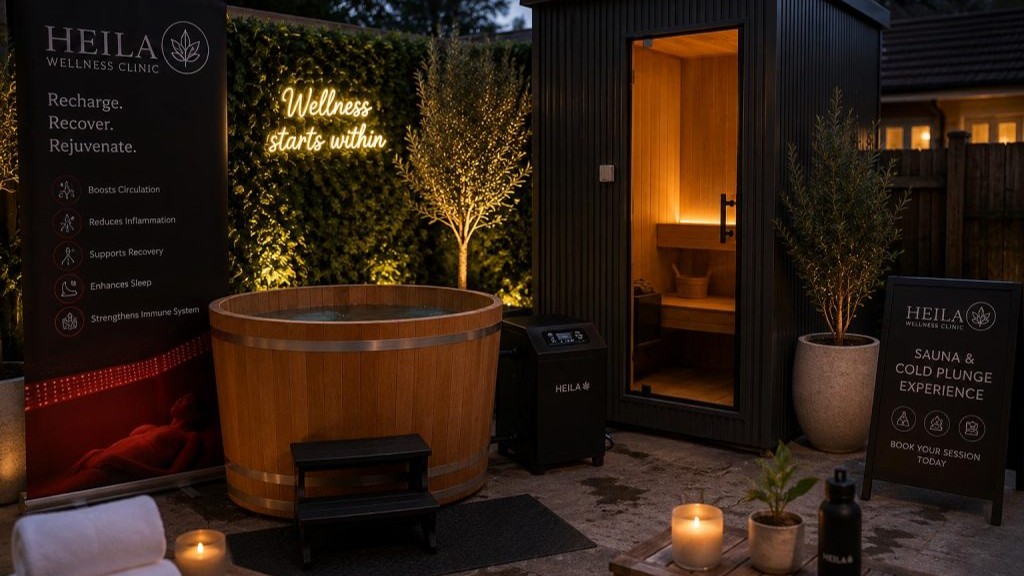
The ice baths drew a different crowd and a lot more noise. Cold water immersion is a full-body jolt, and for many riders it was their first time.
Cold plunging after hard exercise is popular with endurance athletes because it can help take the edge off muscle soreness and leaves most people feeling switched back on. What we noticed:
- Riders tended to use the ice bath after their final stint or a particularly hard effort
- A few minutes was plenty for first-timers, there’s no prize for staying in longest
- Having a towel and a warm layer ready makes a big difference afterwards
If you’re serious about recovery after cycling, an ice bath is a great tool, but it works best as a finisher rather than something you do between short efforts. Our hot and cold therapy page explains how cold plunging works.
Tip 4: Combine compression and cold for the full routine
Plenty of riders went from compression straight into a cold plunge, which is exactly why we set the ice baths up right next to the boots. Here’s a simple way to choose:
- Riding again soon? Compression boots. They’re gentle, quick and keep you comfortable between efforts.
- Finished for the day after a big effort? An ice bath gives you a full reset.
- Want the best of both? Compression first, then a short cold plunge.
If you prefer heat to cold, our guide to sauna and cold plunge covers where a sauna fits in.
Tip 5: Don’t forget the basics of recovery after cycling
Recovery tools work best on top of good habits, not instead of them:
- Hydrate: drink regularly during and after the ride
- Refuel: a mix of carbohydrate and protein after longer rides
- Sleep: this is where the real repair happens
- Easy days: not every ride needs to be hard
As with any recovery method, if you have a medical condition, circulation problems or are pregnant, check with your GP before using compression or cold water immersion.
A simple recovery after cycling routine for every type of ride
Not every ride needs the same recovery. Here’s how we’d approach it:
Short or easy rides (under an hour)
Have a drink, eat normally and get on with your day. If your legs feel heavy, a short compression session in the evening is a nice extra, but you don’t need a big routine.
Long rides and sportives
Refuel within an hour with carbohydrate and protein, rehydrate, then use compression boots later in the day. A cold plunge can help if your legs feel battered, and an early night does more than any gadget.
Multi-day rides and training camps
This is where recovery after cycling matters most. Daily compression sessions, short cold plunges after the hardest days, plenty of food and as much sleep as you can get will help you keep riding well day after day.
Events like the Beard Cyclathon
Repeated short efforts call for quick recovery between stints. Compression boots between efforts and an ice bath at the very end worked brilliantly for our riders.
Recovery after cycling FAQs
How long should a compression boot session be?
Most sessions last 20 to 30 minutes. Between short efforts, even a shorter session can help your legs feel fresher.
How long should I stay in an ice bath after cycling?
For most people, two to five minutes is plenty. Build up gradually and always get out if you feel unwell.
Can I use an ice bath and compression on the same day?
Yes. Many riders at the cyclathon did both, starting with compression and finishing with a cold plunge.
Bring a recovery hub to your next ride or event
The Beard Cyclathon showed how much people value proper recovery after cycling when they’re pushing hard. You can read the full Beard Cyclathon Recovery Hub case study to see how we set it up.
We run recovery areas for cycling clubs, sports events and charity fundraisers across Oxfordshire, Buckinghamshire, Hertfordshire and Berkshire. Take a look at our bespoke hire packages or get in touch to talk about your event.