
Biological age vs chronological age is one of the most useful comparisons in modern health. Two people can both be 45 on paper and be ageing at completely different rates on the inside. Understanding the gap between the two can change how you think about your health.
In this guide we cover five essential facts about biological age vs chronological age, how the gap is measured, and the best next steps if you want to improve your result.

Biological age vs chronological age: the simple difference
- Chronological age is the number of years since you were born. It goes up by one every birthday, no matter what.
- Biological age is an estimate of how old your body appears at a cellular level. It can be higher or lower than your chronological age, and it can change.
So when people compare biological age vs chronological age, they’re really asking: is my body ageing faster or slower than the calendar says?
Fact 1: Biological age is measured from your DNA
The most reliable way to estimate biological age is through epigenetic testing. It looks at DNA methylation, tiny chemical tags on your DNA that shift in predictable patterns as you age.
Scientists have built models called epigenetic clocks that read these patterns and turn them into an age estimate. A simple sample is all that’s needed, and the analysis is done in a specialist lab.
Fact 2: The gap between the two is what matters
Your biological age on its own is interesting. The comparison of biological age vs chronological age is what makes it useful:
- Younger biological age: your body appears to be ageing more slowly than average
- Similar biological age: you’re ageing at roughly the expected rate
- Older biological age: your body appears to be ageing faster, which is a helpful prompt to look at your lifestyle
The gap isn’t a verdict. It’s a starting point.
Fact 3: Lifestyle has a big influence on biological age
Unlike your genes, your biological age responds to how you live. Research links these factors with faster or slower biological ageing:
- Sleep: poor or irregular sleep is linked with faster ageing
- Exercise: regular movement, including strength training, supports healthier ageing
- Nutrition: whole foods, fibre and colourful vegetables support repair
- Stress: long-term stress takes a measurable toll
- Smoking and alcohol: both are linked with older biological age
- Social connection and purpose: often overlooked, but important for long-term wellbeing
That’s the encouraging part of the biological age vs chronological age story: you can’t change your birthday, but you can influence how your body ages.
Fact 4: Biological age can change over time
Because biological age responds to lifestyle, it isn’t fixed. Many people who make consistent changes to sleep, movement, nutrition and stress see their results improve when they retest.
That’s why the best approach is to use your first test as a baseline, make a few focused changes, and test again after six to twelve months.
Fact 5: One result is a snapshot, trends tell the story
Every test has some natural variation. A small change between two results may not mean much. What matters is the direction of travel across several tests, ideally taken with the same provider so you compare like with like.
Best next steps after comparing biological age vs chronological age
If your biological age is older than your real age
Don’t panic. Focus on the biggest levers first:
- Prioritise seven to nine hours of good-quality sleep
- Move every day and add two strength sessions a week
- Build in proper recovery and downtime
- Cut back on alcohol and stop smoking
If your biological age is younger than your real age
Great news, but keep going. Use your result as motivation to stick with the habits that are working, and retest to make sure you stay on track.
Build a recovery routine you’ll stick to
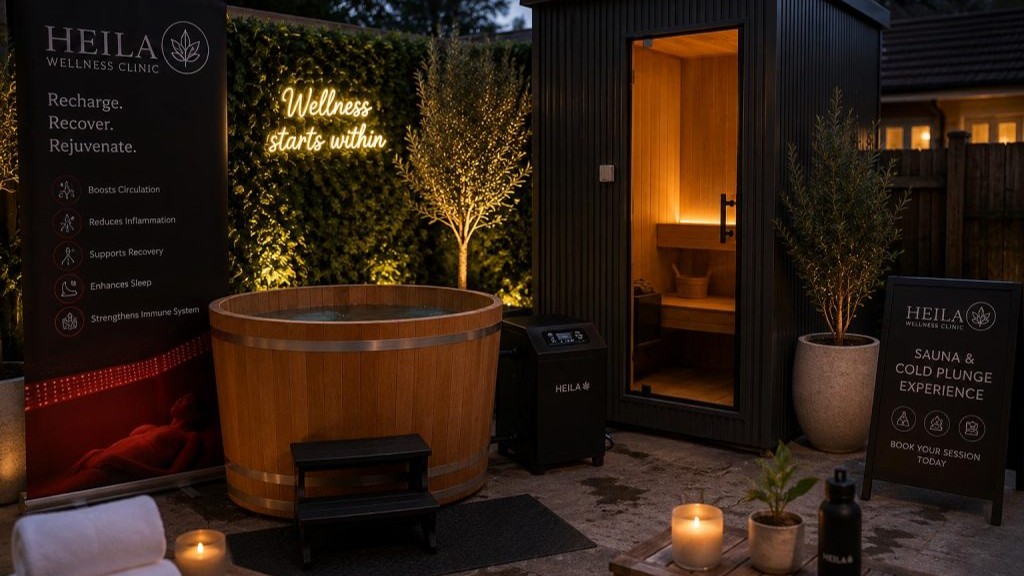
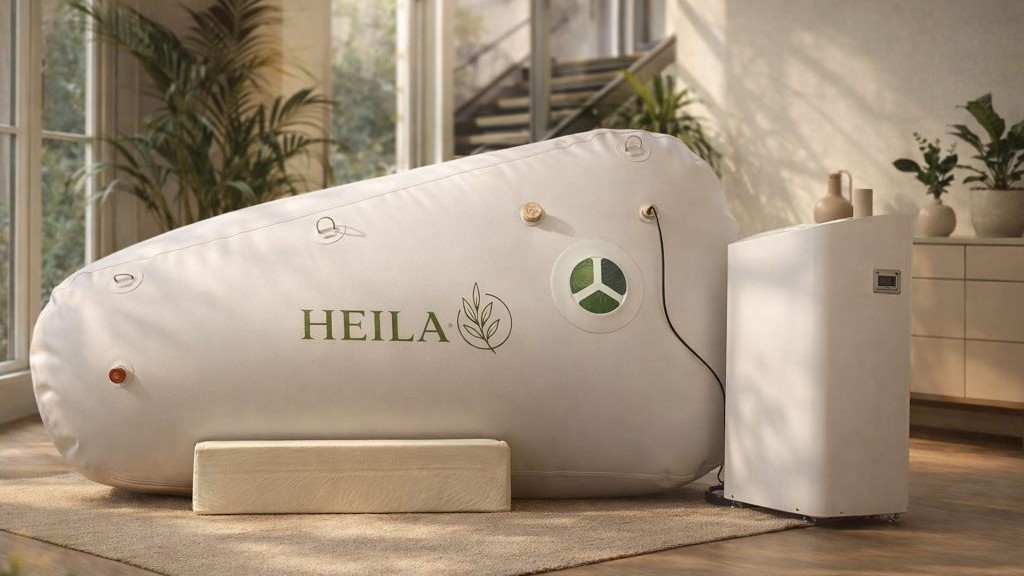
Recovery is where many busy people fall down. Tools such as hyperbaric oxygen therapy, red light therapy, PEMF and hot and cold therapy can be part of a routine that supports better sleep and recovery, on top of the basics.
A simple 12-week plan after your first test
If you’ve just compared your biological age vs chronological age and want to improve, here’s a realistic plan:
Weeks 1 to 4: sleep and routine
Set a consistent bedtime and wake time, get morning daylight and build a calm evening routine. Sleep is the foundation for everything else.
Weeks 5 to 8: movement and strength
Add two short strength sessions a week and aim for a daily walk. Keep the intensity manageable so you can stick with it.
Weeks 9 to 12: recovery and stress
Build in regular recovery: a weekly sauna, a compression session after hard workouts or time to properly switch off. Pick the tools you enjoy, because enjoyment is what keeps habits going.
After 12 weeks, keep going with the habits that worked. Retest at six to twelve months to see how your biological age has moved.
What can make biological age look older?
Some factors can push biological age up temporarily or long term:
- Periods of poor sleep or high stress
- Illness or recovery from illness
- Smoking and heavy drinking
- Very low activity levels
This is another reason to look at trends rather than a single result.
Biological age vs chronological age: FAQs
Can biological age be lower than chronological age?
Yes. Many people have a biological age several years below their real age.
How often should I test my biological age?
Every six to twelve months is a sensible rhythm, which gives your changes time to show.
Is biological age a medical diagnosis?
No. It’s a wellness measure to help you understand and track your health. It doesn’t replace medical advice.
Find out your biological age with Heila
Ready to compare your biological age vs chronological age? Our biohacking and epigenetic testing service is available across Oxfordshire, Buckinghamshire, Hertfordshire and Berkshire. Get in touch to book your test.