
Red light therapy for sleep is one of the most talked-about wellness trends of the year, and with the clocks going back today, sleep is on a lot of people’s minds. Darker evenings, less daylight and busy lives can all knock your body clock out of sync.
In this guide we look at how light affects sleep, what the research says about red light therapy for sleep, and five simple ways to build a better evening routine.
How light affects your sleep
Your body runs on an internal clock called your circadian rhythm. Light is the main signal that keeps it on time:
- Bright, blue-rich light in the morning tells your body it’s daytime and helps you feel alert
- Darkness in the evening helps your body release melatonin, the hormone that prepares you for sleep
The problem is modern life. Phones, laptops, TVs and bright overhead lights flood our evenings with blue-rich light, while many of us spend our days indoors with little natural daylight. The NHS sleep and tiredness advice highlights regular routines and a calm bedtime as key to sleeping well.
What is red light therapy?
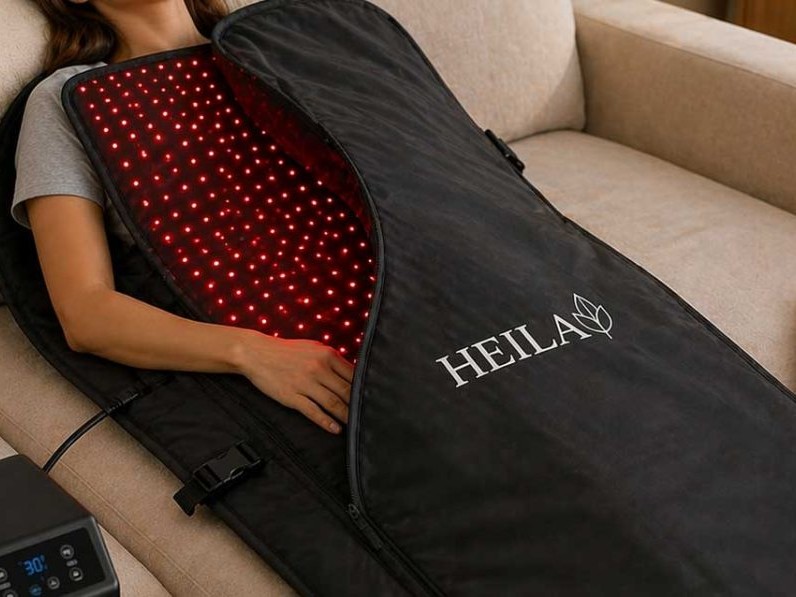
Red light therapy uses panels of LEDs that give off red and near-infrared light. It’s also known as photobiomodulation. It doesn’t use UV, so it doesn’t tan or burn the skin. A session simply involves sitting or standing in front of the panel for a set time.
Can red light therapy for sleep really help?
Research into red light therapy for sleep is still developing, but there are good reasons people find it helpful:
- It’s a warm, low-blue light. Unlike screens and bright white bulbs, red light is less likely to interfere with your body’s evening wind-down.
- It builds a routine. A regular evening session becomes a cue that it’s time to slow down.
- It’s relaxing. Many people use the time to breathe, stretch or simply sit quietly.
Some small studies have looked at red light and sleep quality with encouraging results, but red light therapy isn’t a fix for sleep problems. If you have ongoing insomnia, speak to your GP.
5 simple ways to use red light therapy for sleep
1. Make it part of your evening wind-down
Use red light therapy for sleep in the hour or two before bed, as part of a calm routine rather than straight before you jump into bed after a busy evening.
2. Swap screens for red light
Instead of scrolling on your phone, spend 10 to 20 minutes in front of a red light panel. You get the routine without the bright, stimulating screen light.
3. Get morning daylight too
Red light in the evening works best alongside bright light in the morning. A short walk outside after waking helps set your body clock for the day.
4. Keep your timing consistent
Going to bed and waking up at similar times every day, even at weekends, is one of the best things you can do for your sleep.
5. Combine it with other calming habits
Red light therapy for sleep works well alongside:
- A cool, dark bedroom
- Gentle stretching or breathing exercises
- Reading a book instead of screens
- A relaxing PEMF session, which many people also use in the evening
Who uses red light therapy for sleep?
- Shift workers trying to settle their body clock
- Athletes who need quality sleep to recover, see our guide to PEMF therapy for athletes
- Busy professionals who struggle to switch off
- Anyone who feels the winter months affect their energy and sleep
Is red light therapy safe?
Red light therapy is very well tolerated. Avoid looking directly into the panel, use eye protection if recommended, and speak to your GP first if you have a light-sensitive condition, take medication that increases light sensitivity, or are pregnant.
A simple evening routine using red light therapy for sleep
Here’s an easy routine to try for two weeks:
- Two hours before bed: dim the main lights and switch to lamps where possible
- 90 minutes before bed: put your phone on charge outside the bedroom or switch on night mode
- 60 minutes before bed: spend 10 to 20 minutes in front of your red light panel, breathing slowly or stretching
- 30 minutes before bed: read a book, have a warm shower or listen to something calming
- Lights out: at the same time every night
Keep a simple note of how long it takes you to fall asleep and how rested you feel in the morning. After two weeks you’ll have a good idea of whether the routine works for you.
Other sleep habits that work well with red light
- Keep your bedroom cool, dark and quiet
- Avoid caffeine after early afternoon
- Get outside in daylight every morning
- Exercise regularly, but avoid very intense sessions late at night
- Go easy on alcohol, which disrupts sleep quality
Red light therapy for sleep: FAQs
How long should a red light session be?
Most sessions last 10 to 20 minutes.
When is the best time to use red light therapy for sleep?
In the evening, as part of your wind-down routine, an hour or two before bed.
Can I use red light therapy every day?
Yes, many people use it daily. Consistency is what makes a routine work.
Try red light therapy with Heila
We offer red light therapy sessions across Oxfordshire, Buckinghamshire, Hertfordshire and Berkshire. If you’d like to add red light therapy for sleep to your routine this winter, get in touch.