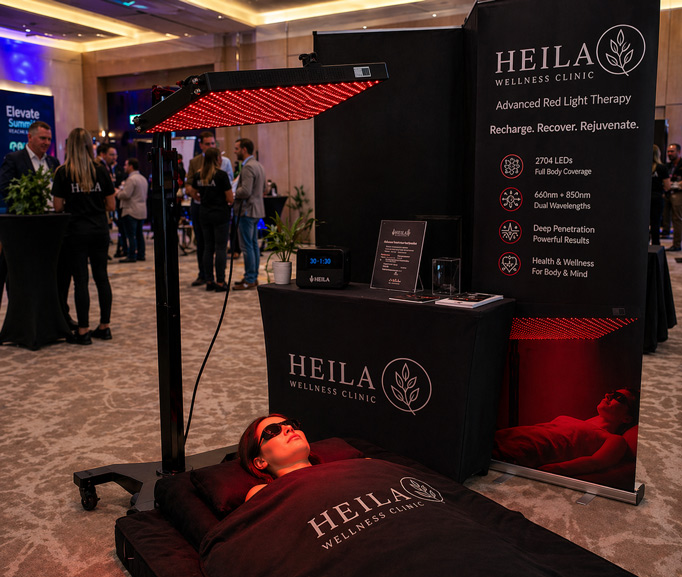
Red light therapy gets a lot of attention for skin, so here is a realistic guide to what it can actually do, based on real research rather than marketing claims.
What the research shows
Studies on human skin have found that low level red and near infrared light increases gene expression linked to collagen and elastin production within about a week of treatment. In a randomised, placebo controlled clinical study, participants using red and near infrared LED therapy showed statistically significant improvement in skin roughness, hydration and collagen density, with 87 percent of participants showing better skin tone and firmness. Another study recorded a 36 percent decrease in wrinkle depth and a 19 percent increase in skin elasticity, with tissue analysis confirming increased collagen and elastic fibres in the treated skin.
How long it actually takes
This is the part people often skip over. Most of the meaningful improvements in these studies appeared between 6 and 12 weeks of consistent treatment, not after one or two sessions. Red light therapy works by supporting your skin’s own repair processes, which takes time, the same as any genuine skin treatment.
What it is not
Red light therapy is not a substitute for sun protection, a good skincare routine, or medical treatment for skin conditions that need it. It is a supportive tool that works best alongside the basics, not instead of them.
Getting the most out of it
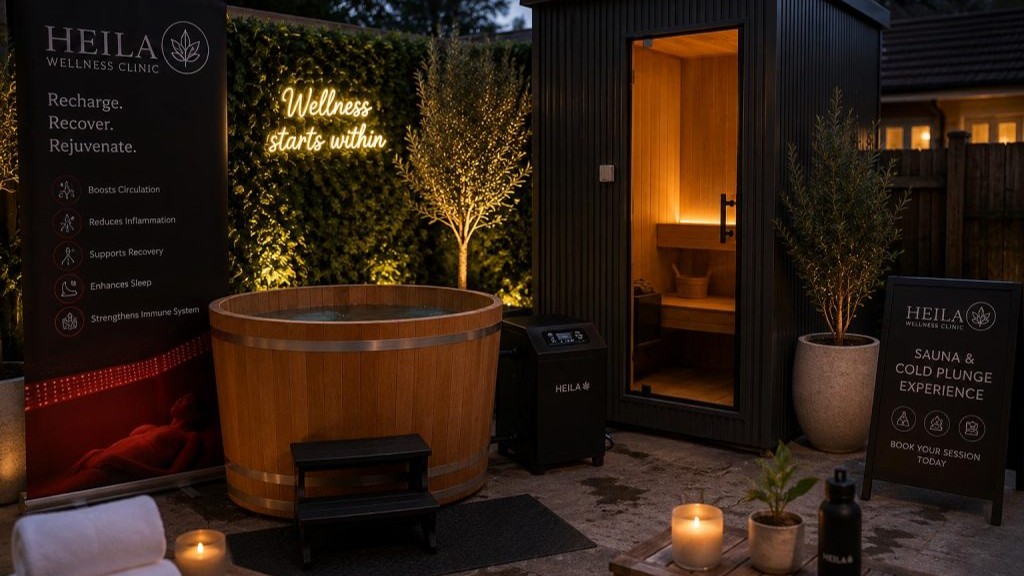
Consistency matters more than intensity. Regular short sessions over several weeks will get you further than occasional long ones. Pairing it with a wider recovery routine, including things like sauna and cold exposure, is also common among people already using it for training recovery who notice the skin benefits as a welcome side effect.
Read more in our earlier post on red light therapy for recovery and skin health, explore our red light therapy service, or see the underlying research in this Journal of the American Academy of Dermatology study.