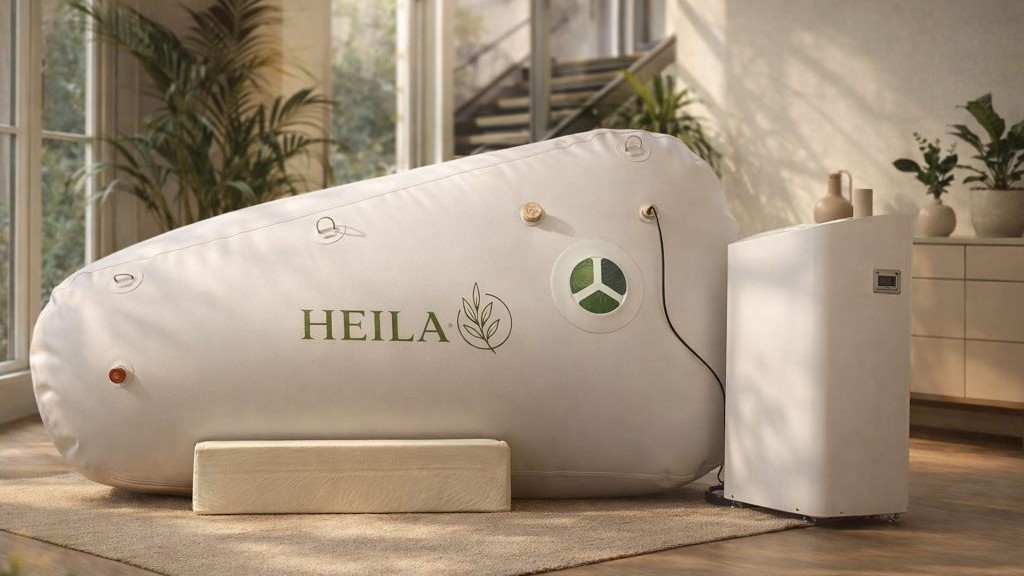

PEMF therapy is being talked about more and more for sleep, so we wanted to look at what the actual research says rather than the claims you see online.
What the studies found
A randomised, placebo controlled trial involving 217 adults with non restorative sleep, trouble falling asleep, or frequent night waking found that active PEMF therapy modestly improved sleep satisfaction and restfulness compared with a sham treatment over three weeks. A separate double blind trial with 485 volunteers tested different frequencies and found the clearest improvements in sleep quality and lower anxiety at a 16 Hz setting. Other trials, including one looking specifically at insomnia, found PEMF reduced the time it took participants to fall asleep and improved overall sleep quality compared with placebo.
How it may work
The current thinking is that PEMF may help calm the nervous system and support melatonin production, which are both involved in how easily your body settles into sleep. It is worth being clear that researchers describe this as a possible mechanism, not a fully proven one.
Being honest about the evidence
The research is genuinely encouraging, but it is still an emerging area. Most trials are relatively small and short term, and larger, longer studies are needed before anyone can make firm claims. What we can say honestly is that multiple independent trials have found a real, measurable improvement in sleep quality with PEMF, which is more than can be said for a lot of sleep gadgets on the market.
Trying it for yourself
If sleep is something you struggle with, PEMF is worth trying as part of a wider routine rather than a standalone fix. Good sleep habits, reduced screen time before bed and a consistent routine still matter most. You can read more about how PEMF therapy actually works on our earlier post, or explore our PEMF therapy service directly. For more detail on one of the trials referenced here, see the study on electromagnetic field therapy and sleep.